Understanding Number of Allowances from Estimated Deductions – Worksheet B
When it comes to managing your taxes, understanding the number of allowances you can claim is crucial. Allowances directly impact the amount of tax withheld from your paycheck, which can either lead to a refund or a tax bill at the end of the year. Worksheet B is a valuable tool that helps taxpayers estimate their deductions and determine the appropriate number of allowances to claim. This article will delve into the significance of Worksheet B and how it aids in calculating your tax allowances.
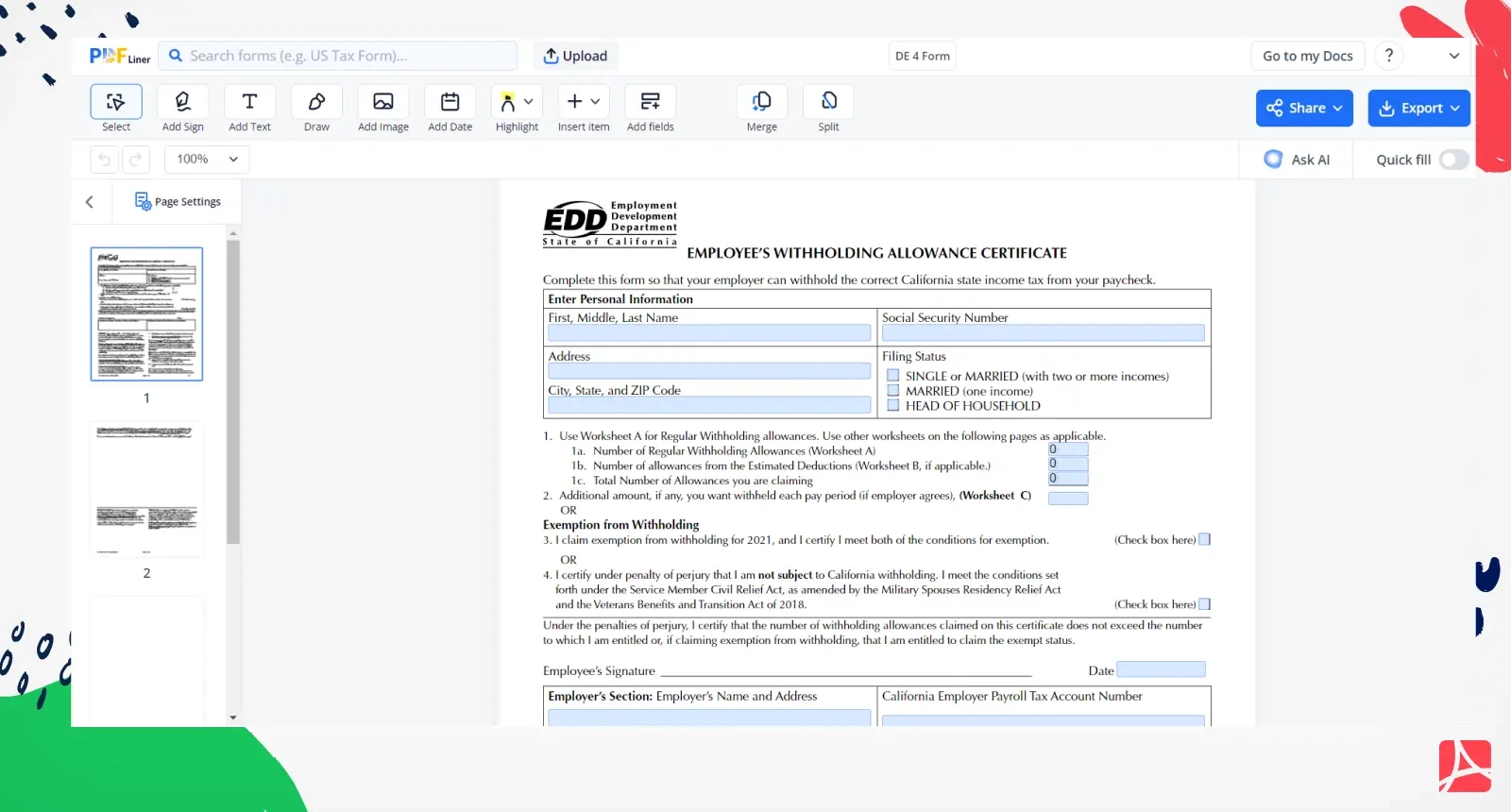
Many taxpayers may find themselves confused about how to accurately fill out Worksheet B and what implications their choices have on their overall tax situation. By understanding the mechanics behind this worksheet, individuals can make informed decisions that align with their financial goals. This article will provide a comprehensive overview of how to use Worksheet B effectively to determine the number of allowances based on estimated deductions.
Number of Allowances from Estimated Deductions – Worksheet B
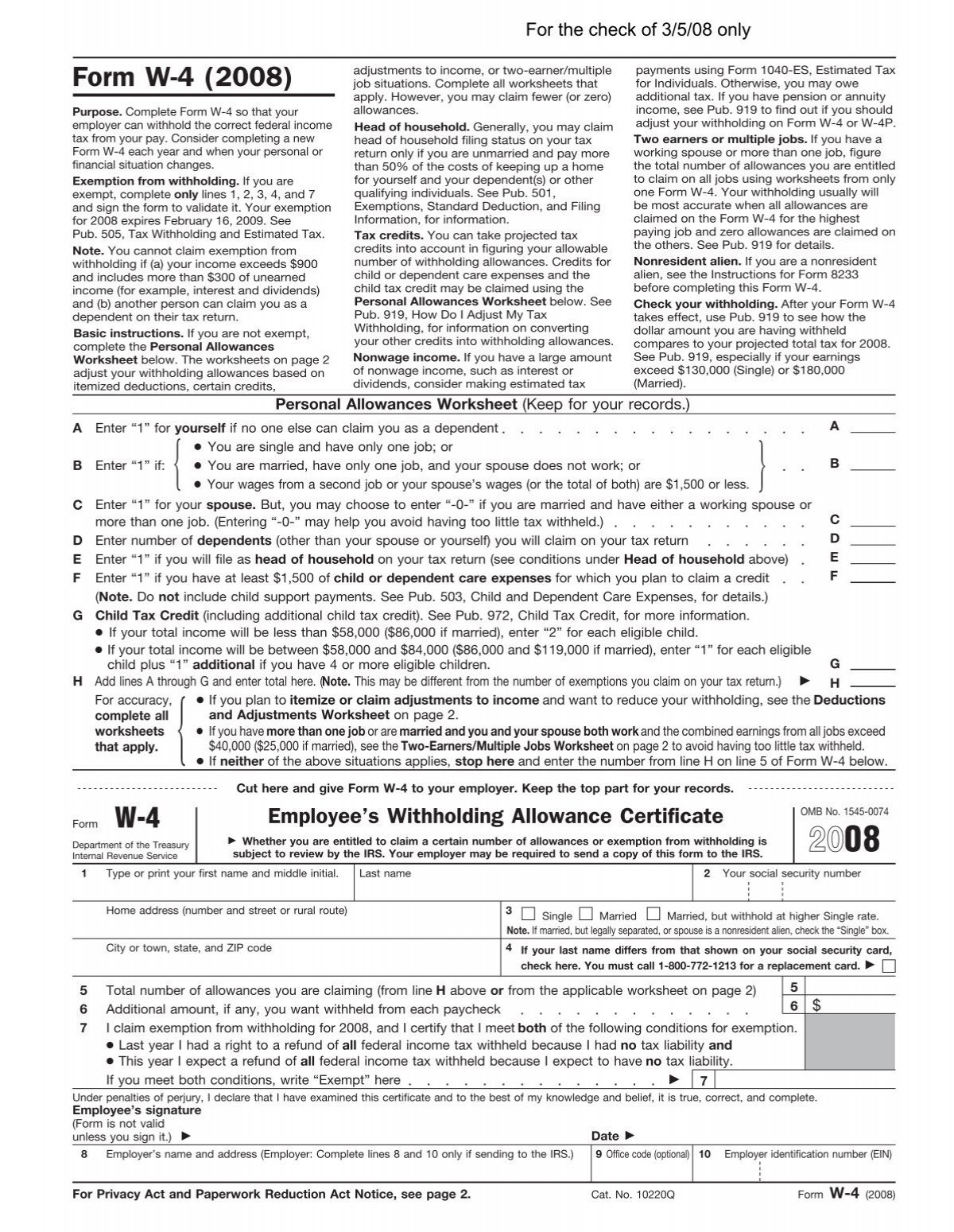
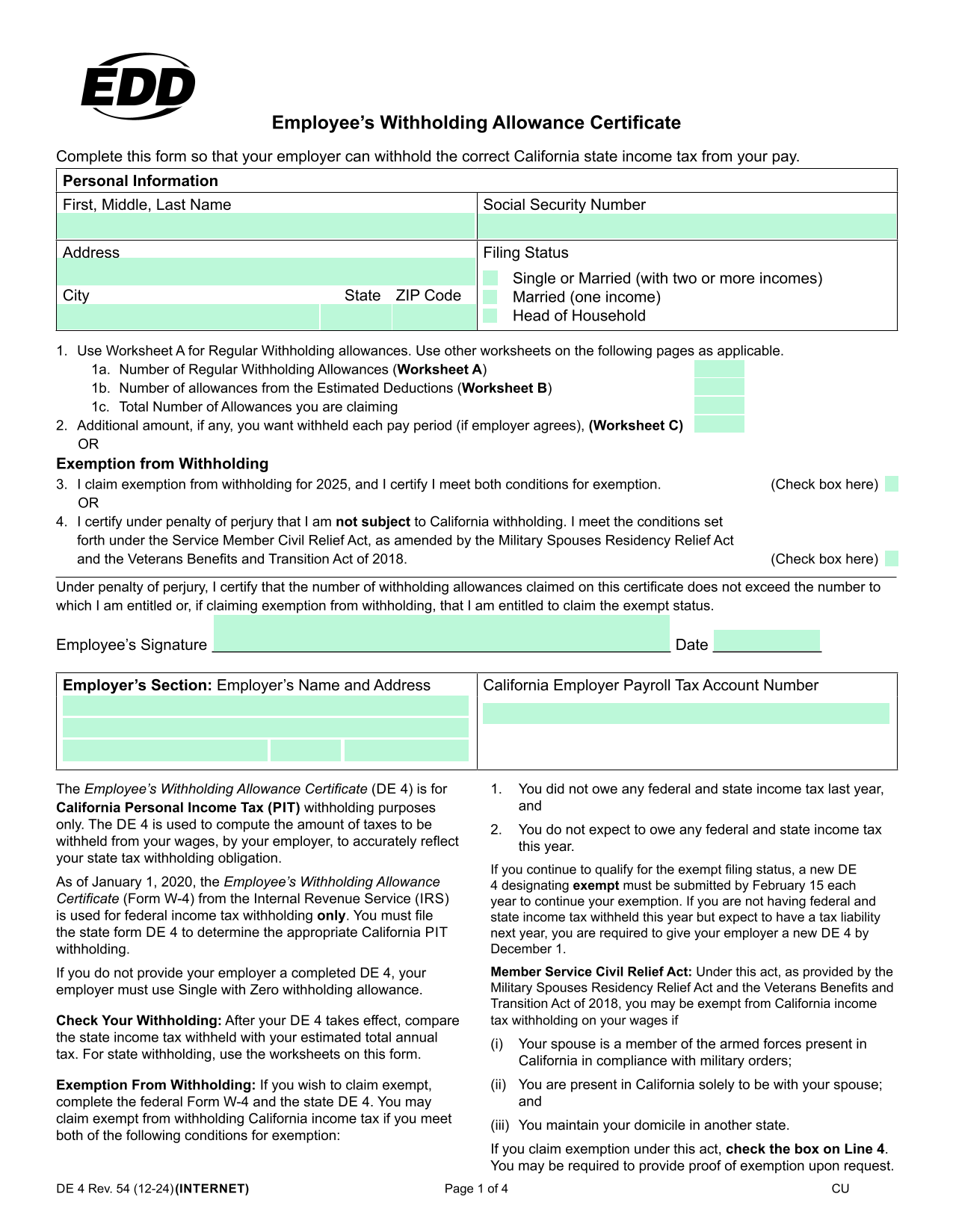
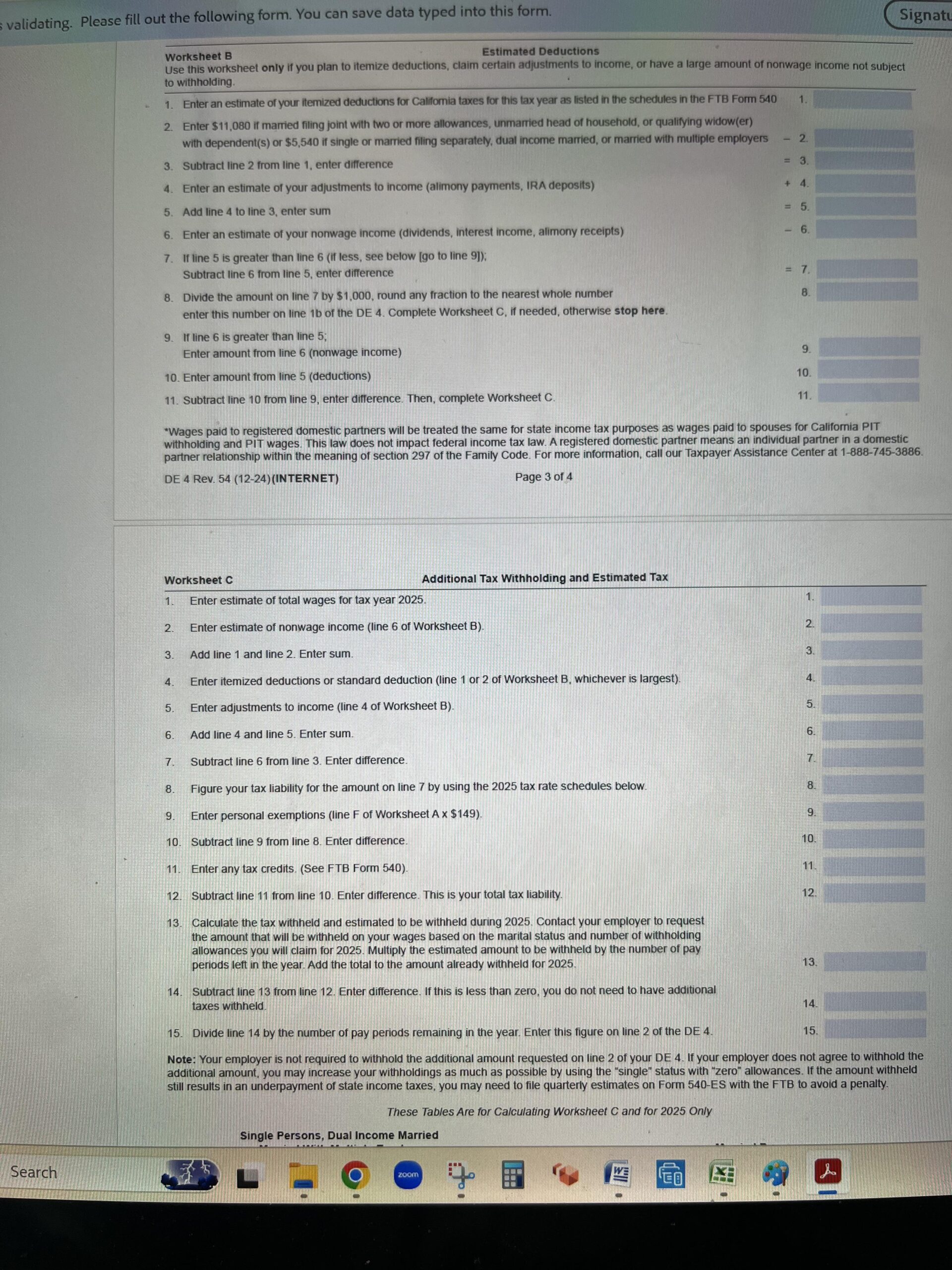
Worksheet B is designed for taxpayers who want to estimate their deductions and determine the number of allowances they should claim on their W-4 form. The first step involves gathering all relevant financial information, including income, potential deductions, and credits. This information is essential for accurately completing the worksheet and ensuring that you do not over- or under-withhold taxes.
Once you have your financial data ready, you will begin filling out Worksheet B by calculating your expected annual income. This includes wages, salaries, and any additional sources of income. After determining your total income, you will then estimate your deductions, which may include mortgage interest, state taxes, and charitable contributions. The total estimated deductions will play a significant role in calculating your number of allowances.
The next step involves using the information gathered to complete the worksheet’s calculations. The worksheet provides specific instructions on how to input your figures, ultimately leading you to a final number of allowances. It’s important to note that claiming too many allowances may result in owing taxes at year-end, while claiming too few could mean receiving a larger refund than necessary.
After determining your number of allowances, it’s advisable to review your situation periodically throughout the year. Life changes such as marriage, having children, or changes in income can affect your tax situation significantly. Adjusting your allowances accordingly can help ensure that you are withholding an appropriate amount throughout the year.
In conclusion, understanding how to calculate the number of allowances from estimated deductions using Worksheet B is essential for effective tax planning. By accurately estimating your income and deductions, you can make informed decisions about your tax withholdings. Regularly reviewing and adjusting your allowances as needed will help you maintain financial stability and avoid surprises during tax season.
Download and Print number of allowances from the estimated deductions – worksheet b Listed below